
Mi Teleférico — the La Paz and El Alto cable car
All 10 lines, all 26 stations, a downloadable map, opening hours, fares and everything about the Yala card: the complete guide to the largest urban cable car network in the world.
Service status
La Paz cable car status
Service status · based on the published timetable
Red Line
Yellow Line
Green Line
Blue Line
Orange Line
White Line
Light Blue Line
Purple Line
Brown Line
Silver Line
What is Mi Teleférico?
Mi Teleférico is the largest urban cable car network on the planet: 10 lines, 26 stations (36 stops if you count interchanges separately) and more than 30 kilometres of cable connecting La Paz (around 3,600 m / 11,800 ft) with El Alto (around 4,000 m / 13,100 ft). It is not a tourist ride: it is the city’s mass transit system, carrying more than 300,000 trips every day.
Here you will find a page for every line and every station, the network map as a PDF, the current opening hours, the fares, everything about the Yala card and a route planner that tells you which lines to take, where to change and exactly what you will pay.
The 10 lines of Mi Teleférico
Every line has its own colour and its own page, with all its stations, travel times and the interchanges available.
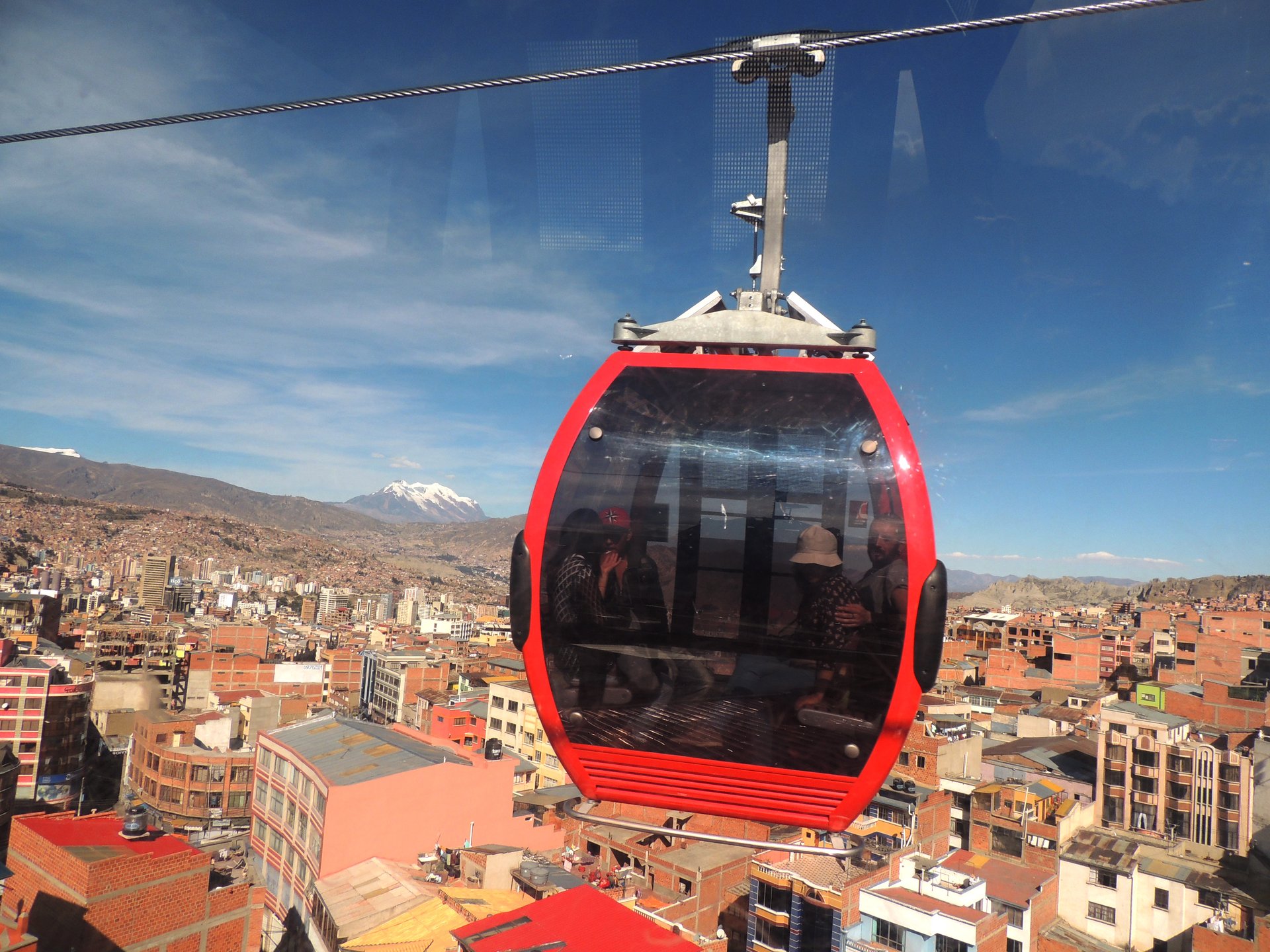
Central ↔ 16 de Julio
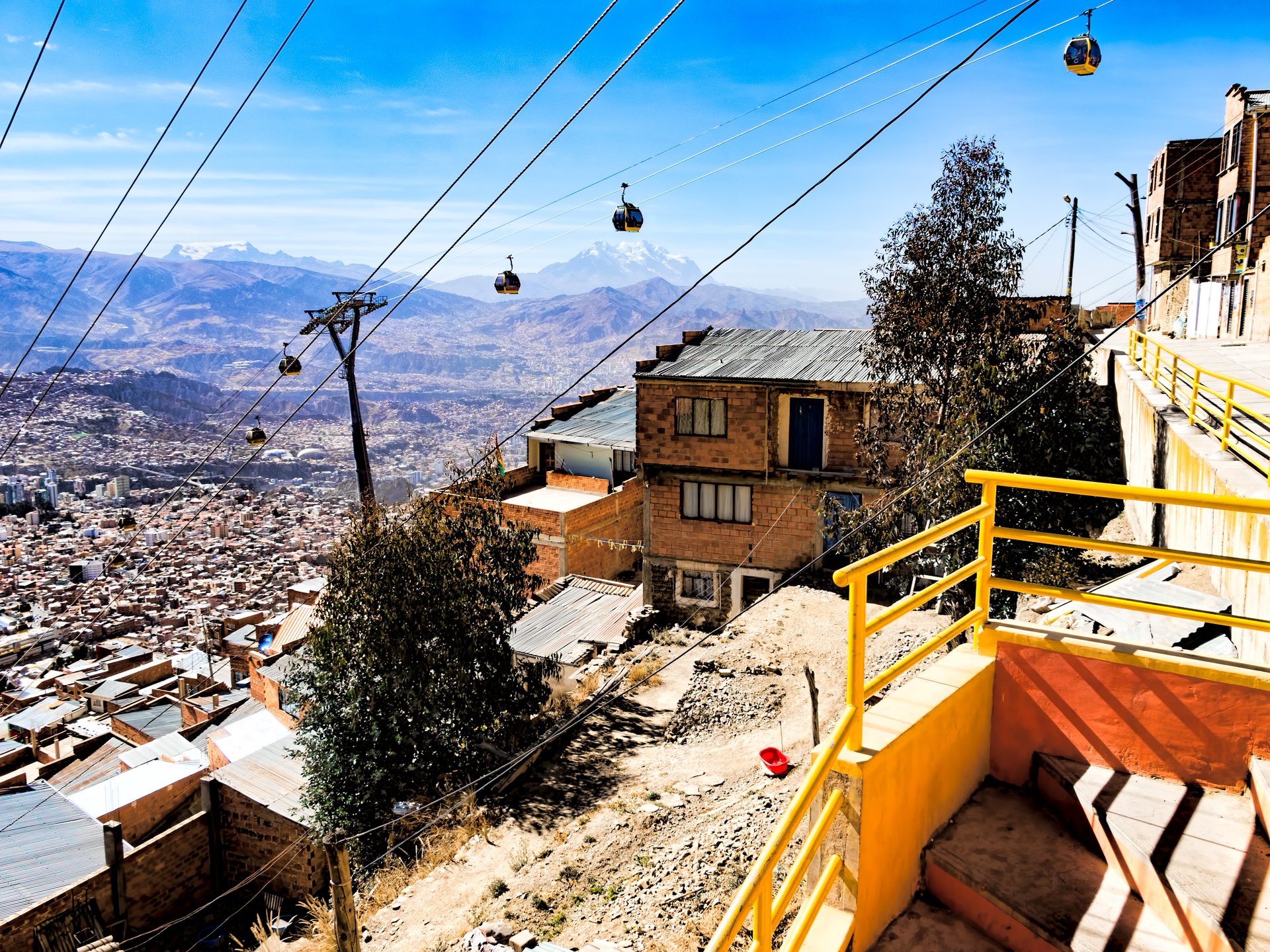
Mirador ↔ Libertador
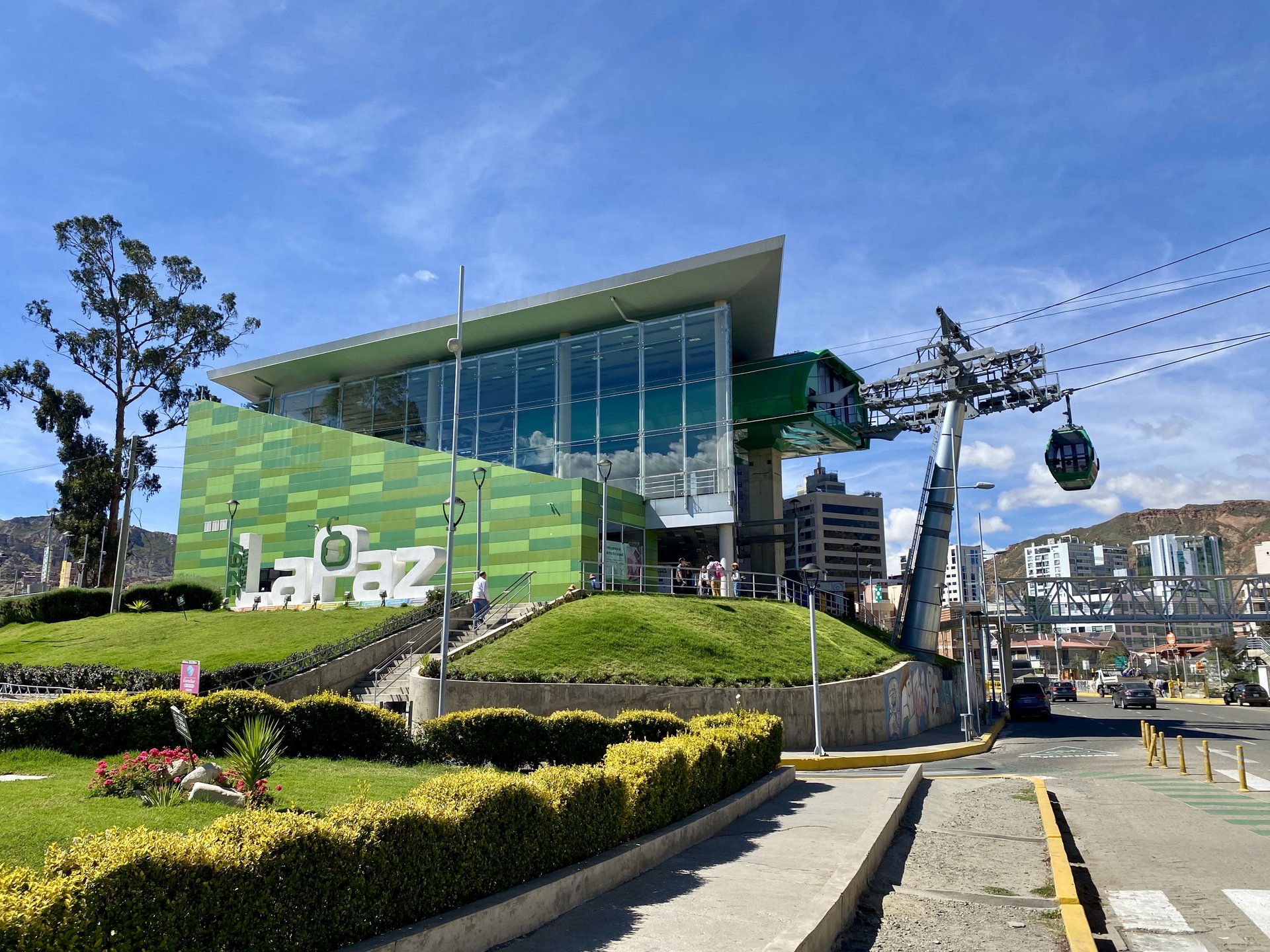
Libertador ↔ Irpavi
Río Seco ↔ 16 de Julio
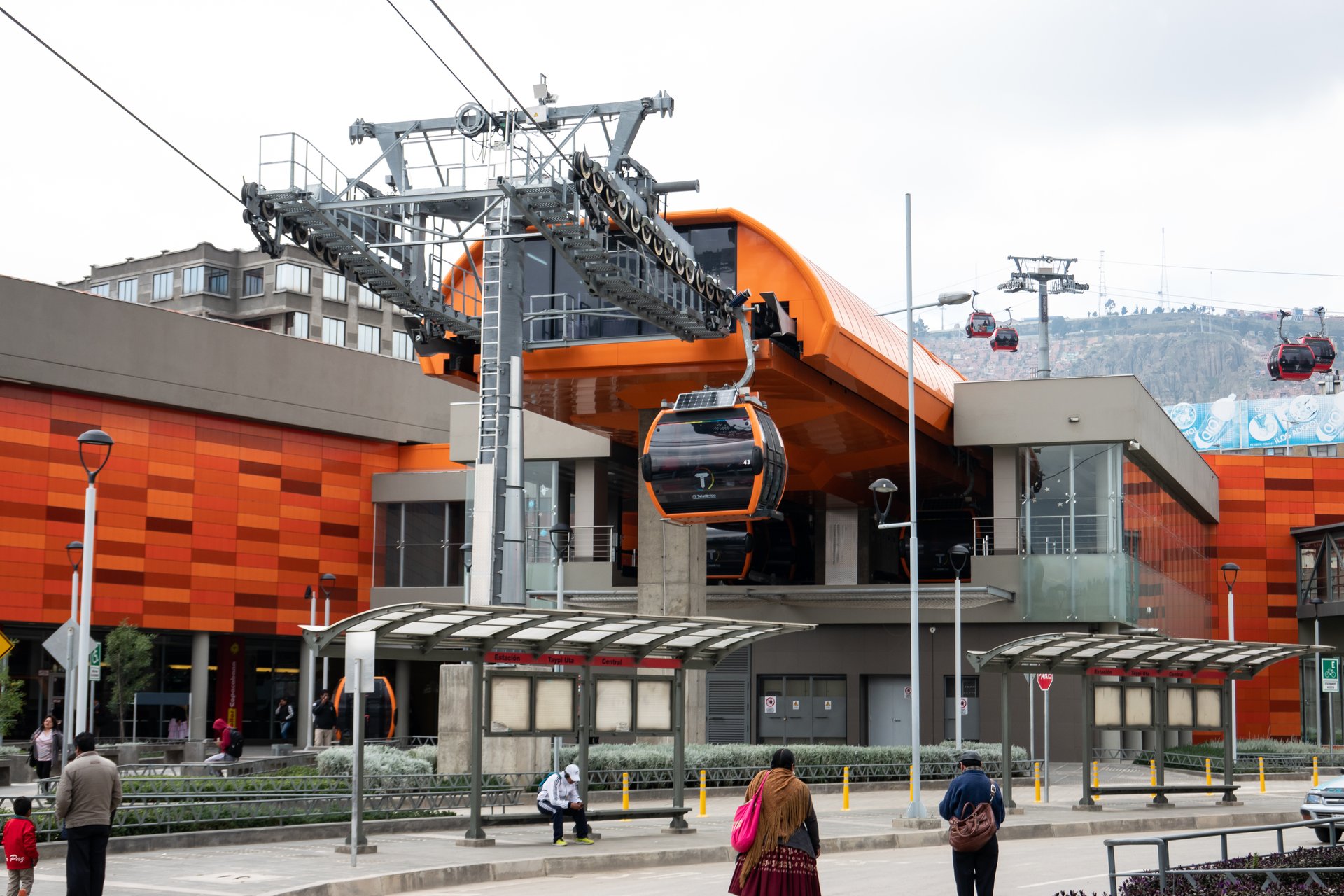
Central ↔ Plaza Villarroel
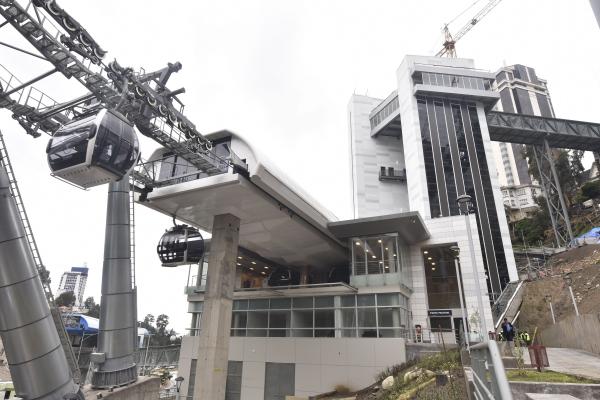
Plaza Villarroel ↔ Av. Poeta
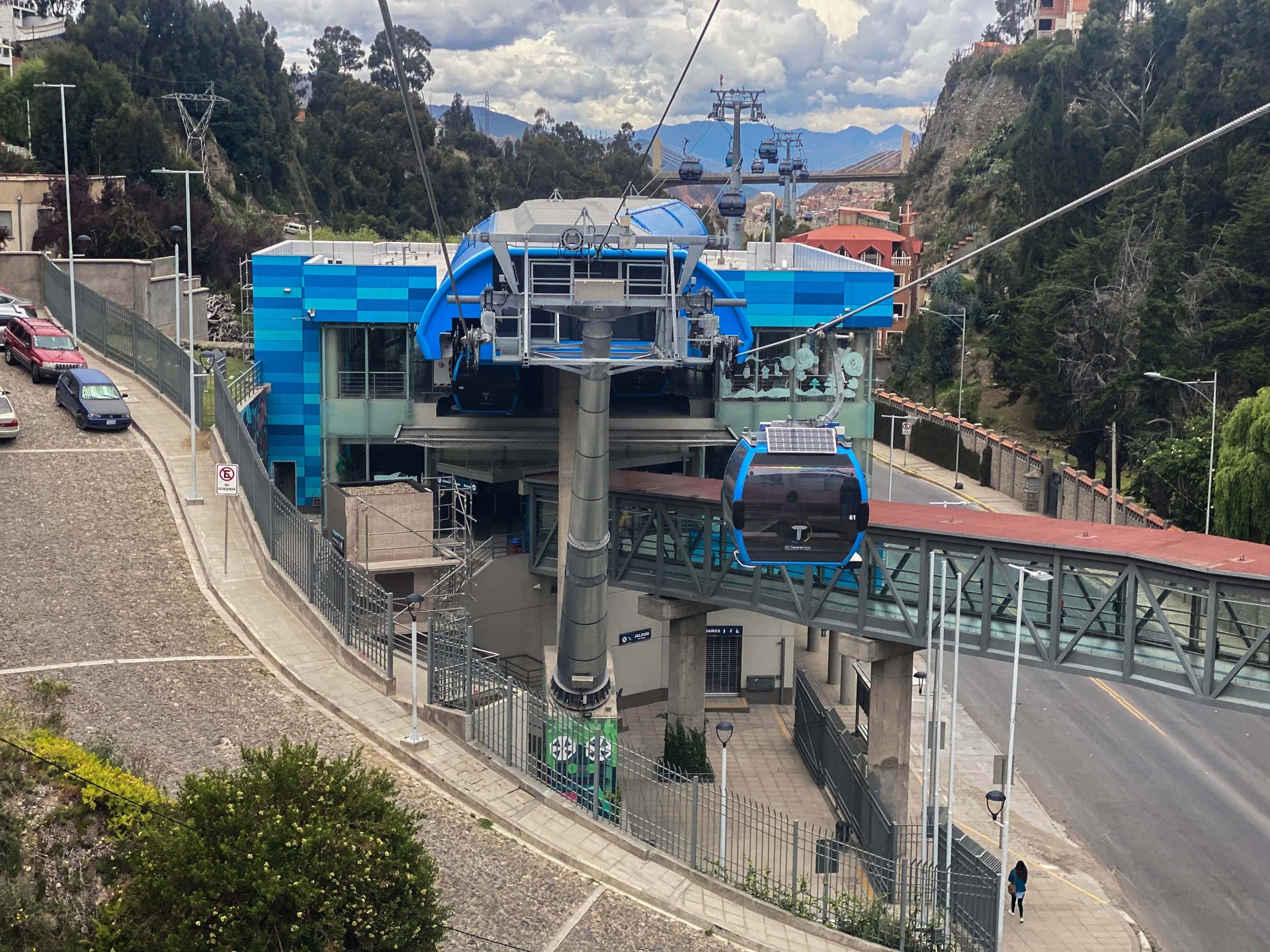
Prado ↔ Libertador
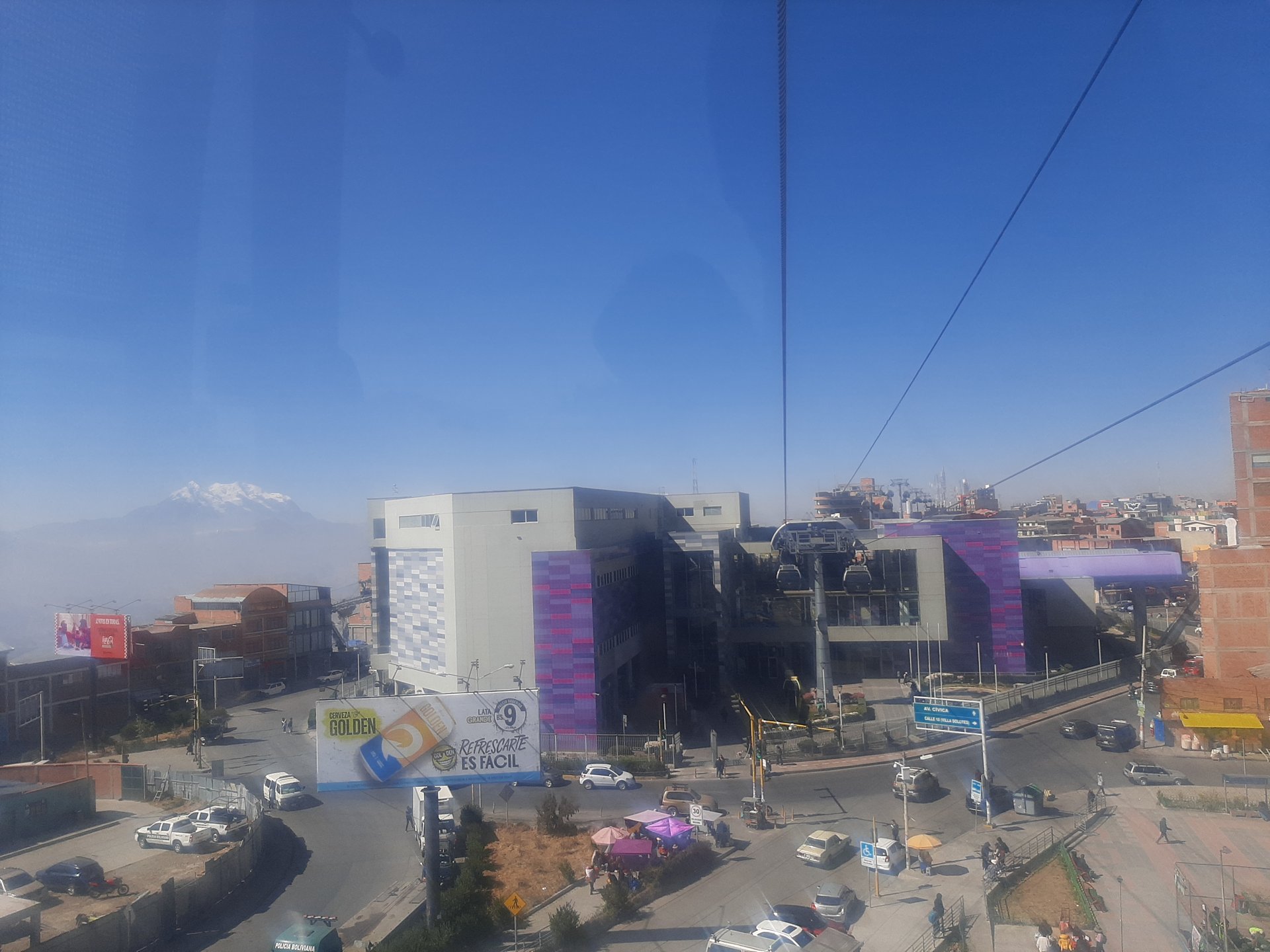
6 de Marzo ↔ San José
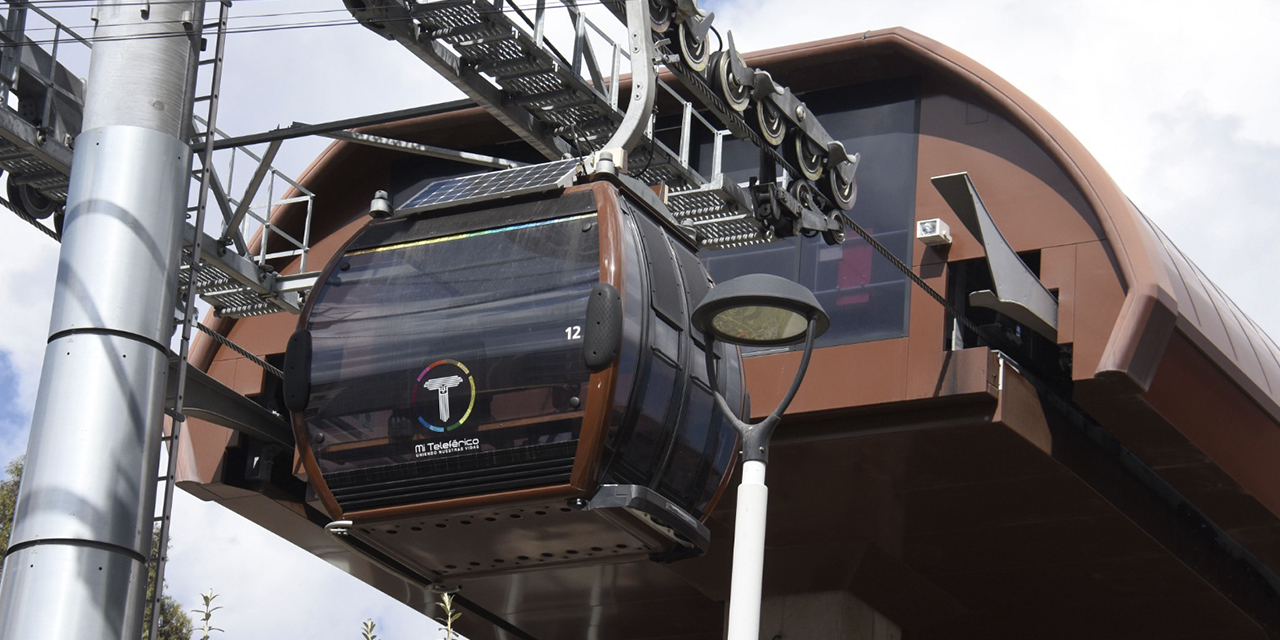
Monumento Busch ↔ Las Villas
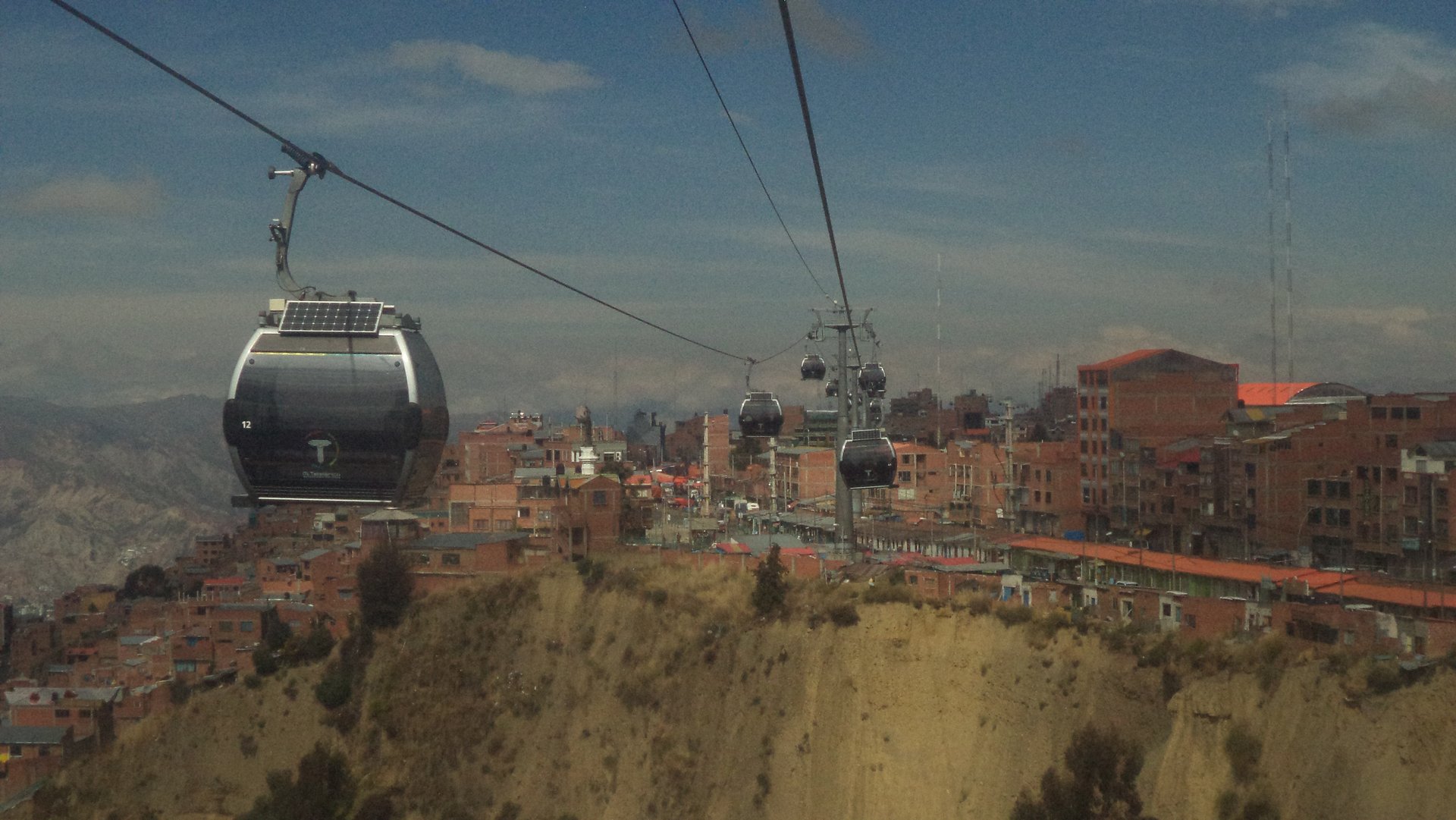
16 de Julio ↔ Mirador
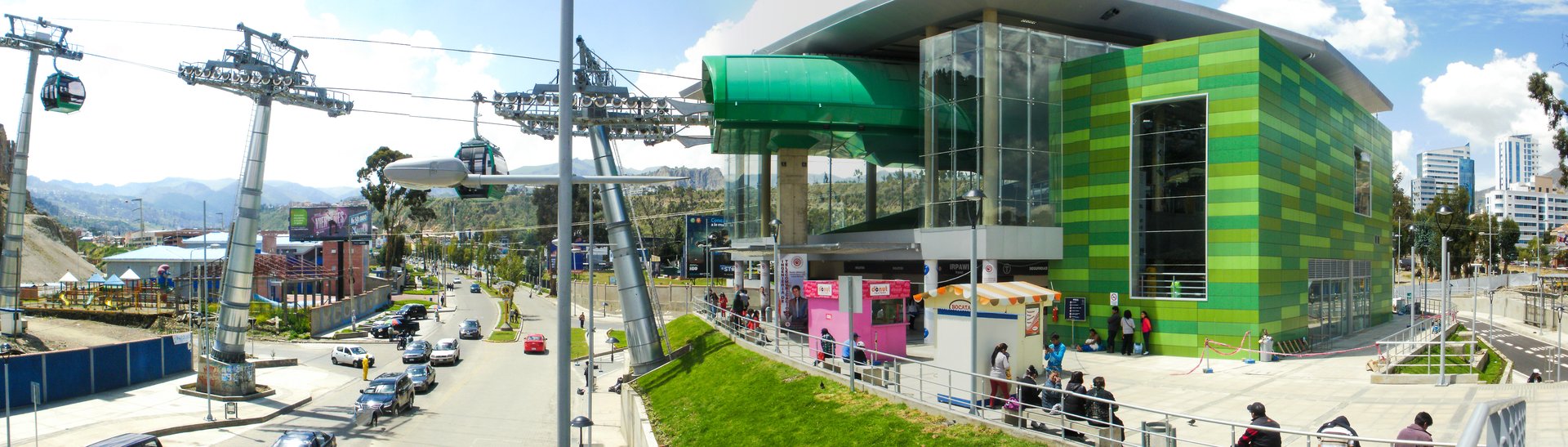
1,398 cabins · 10 lines · 26 stations
A cabin leaves every 12 seconds, so there is no departure timetable and no waiting for the next one: you arrive, tap through the gate and step in. The cable car climbs in 10 minutes what takes a minibus half an hour.
Useful routes
Check your balance and top up the Yala card from your phone
With the Yala Mi Teleférico app you tap through the gate with a QR code, check the balance of your cards, top up with a bank card around the clock and work out what a trip will cost. No queueing at the ticket window.
How much does the La Paz cable car cost?
Frequently asked questions about Mi Teleférico
Mi Teleférico has 10 lines in service (Red, Yellow, Green, Blue, Orange, White, Light Blue, Purple, Brown and Silver) and 26 stations, which add up to 36 stops if interchanges are counted separately. The network opened in 2014 with the Red Line and was completed in 2019 with the Silver Line.
The standard fare is Bs 3 (about US$0.45) for the first line, plus Bs 2 for every transfer — so a trip with one change costs Bs 5 and a trip with two changes Bs 7. The reduced fare (students, passengers over 60 and passengers with a certified disability) is Bs 1.50 plus Bs 1 per transfer.
Monday to Sunday it runs 06:30 – 22:30 and on public holidays 07:00 – 21:00. Sundays have had these hours since 20 September 2026. See the opening hours page for details.
No. The system runs continuously: a cabin leaves every 12 seconds, each seating ten people. There is no departure timetable — you arrive, pay, tap through the gate and step into the next cabin that comes round. What can take time is the queue at the ticket window, not the cabin.
You can pay cash at the ticket window, use a physical Mi Teleférico card, or use the Yala virtual card — the official app, which lets you tap through the gate with a QR code, check your balance and top up with a bank card without going to the window. It is all explained on the Yala card page.
No. El Alto International Airport has no cable car station. The closest points are the Avenida 6 de Marzo area (Purple Line) and La Ceja, and from there you need a taxi or a minibus. No Mi Teleférico line enters the airport.
No. In Mi Teleférico transfers are not free: every additional line on the same trip costs Bs 2 more (Bs 1 on the reduced fare). It is charged automatically when you tap through the gate inside the interchange station.